Bicycles may look simple, but the engineering behind a high-performance bike has evolved significantly over the decades. Siemens’ Simcenter, a simulation platform used across industries including automotive and aerospace, is increasingly finding its place in the cycling world, helping manufacturers move from trial-and-error prototyping to simulation-driven design.
Here is a look at where it is making an impact:
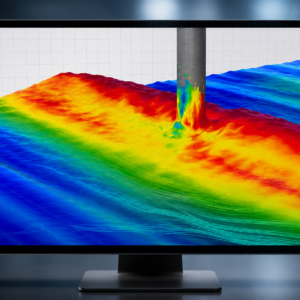
- Aerodynamics: Trek Bicycle used CFD simulation to study airflow around bike frames and riders, exploring design variations from rider positioning to water bottle placement to find the most efficient configuration.
- Helmet safety & thermal comfort: Helmet manufacturers are using Multiphysics simulation for both impact testing and airflow analysis, helping strike the right balance between ventilation and aerodynamic efficiency.
- E-bike noise & vibration: As e-bikes go mainstream, drivetrain noise has become a key quality metric. MAHLE is using Simcenter testing solutions to analyse and reduce noise-vibration-harshness (NVH) in e-bike drivetrains.
- Structural & wheel design: Radiate Engineering, in collaboration with Scott Sports, used simulation to develop a monocoque carbon wheelset, optimising for aerodynamics, crosswind stability, and structural performance simultaneously.
- System-level simulation: From hydraulic transmission concepts to fluid-structure interaction studies on something as focused as a tire valve, simulation is being applied across the full complexity spectrum of bicycle engineering.
Whether it is a carbon wheelset, a helmet vent, or a tire valve — the level of engineering detail going into modern bicycles tells a story about where product development is headed across all industries.
Image courtesy: Siemens