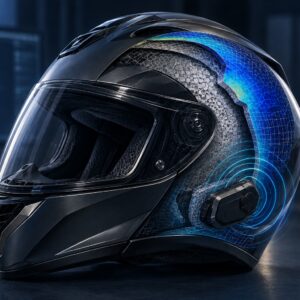


Helmet development must balance impact protection, comfort and integrated electronics. KIDO Sports, a South Korean maker of ScorpionEXO helmets, faced high costs from physical testing and mold modification failures, along with stricter European safety certification.
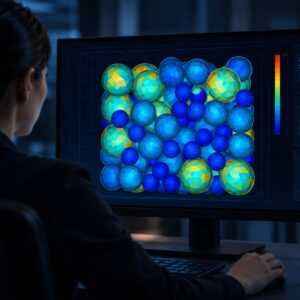
To address this, it adopted Dassault Systèmes solutions. CATIA models helmet shells, foam liners, ventilation and fit in three dimensions, updating related parts automatically when a design changes. SIMULIA Abaqus simulates impact behavior, while SIMULIA CST analyzes electromagnetic performance, including antenna placement and interference for the EXO-COM communication system, before prototyping.
With ISPARK, a proof of concept on the EXO-530 AIR helmet showed simulation results closely matching physical tests. KIDO Sports plans to extend structural simulation across ScorpionEXO models and electromagnetic simulation to new products, aiming to reduce prototype iterations and costs.
Image generated by: ChatGPT