


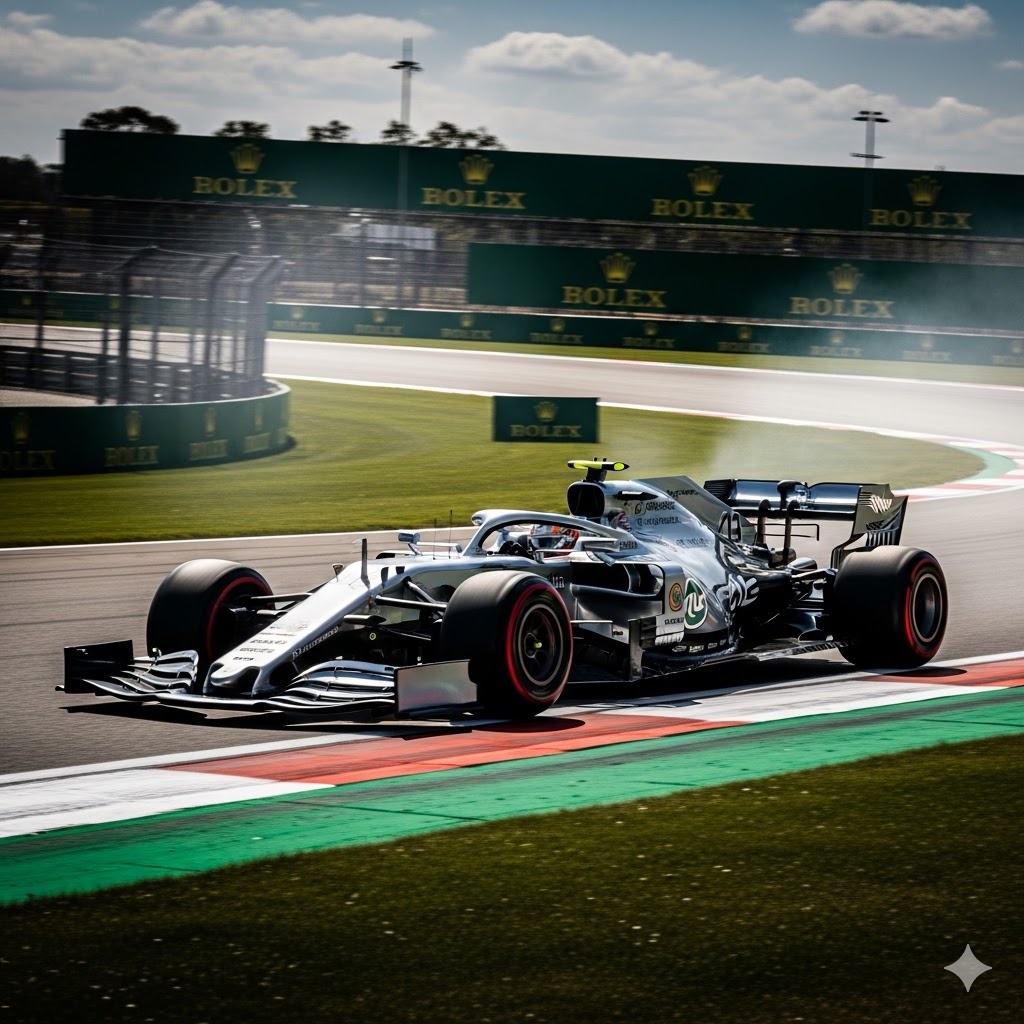
Formula 1 cars operate under extreme conditions where managing heat is as critical as generating power. With the 2026 regulations set to significantly increase the role of electrical power in F1 power units, thermal management is becoming even more complex. Engineers must manage heat generated by multiple systems, including the internal combustion engine, energy recovery systems, batteries, and intercoolers. Integrating these cooling components is challenging because modern F1 cars feature tightly optimized aerodynamic designs that leave limited space for radiators and other heat exchangers.
Another difficulty is that airflow across cooling components is rarely uniform. Disturbances created by wheels, suspension elements, and aerodynamic structures affect how air reaches the radiators. Track conditions further complicate cooling performance, as ambient temperature, altitude, and circuit layout can influence how efficiently heat is dissipated during a race.
As highlighted in a blog by Karthik Saravanan at Modelon, engineers increasingly rely on integrated simulation approaches to study these challenges. By combining CFD analysis with system-level 1D modeling, engineers can examine airflow behavior, evaluate radiator performance, and test unconventional heat exchanger geometries. Platforms such as Modelon Impact and the Modelon Heat Exchanger Library allow teams to incorporate detailed mesh-based airflow data and analyze how thermal systems respond to changing aerodynamic and operating conditions across a race.
Image generated by: Gemini