

Your bi-weekly sync on the pulse of the simulation industry
Industry News

Returning humans to the Moon involves more than rockets and landings—it also requires solving challenges astronauts may face once they step onto the lunar surface. As NASA advances its Artemis missions, the space agency is working with industry specialists to prepare for long-term lunar exploration. As part of these efforts, NASA selected Synopsys and Electro Magnetic Applications, Inc. (EMA) to study how the Moon’s harsh environment could affect astronaut spacesuits and communication systems.
NASA’s Johnson Space Center selected the two companies to examine charging effects on Artemis spacesuits caused by lunar regolith, or Moon dust, and the surrounding plasma environment. These conditions can create electrostatic charge on suit surfaces, which may lead to electrostatic discharge and disrupt electronics used for life support and communications.
To assess these risks, Synopsys and EMA plan to use Ansys Charge Plus. The software will evaluate spacesuit materials, layered structures, and design features under lunar plasma conditions. The work will be supported by testing at EMA’s SERE Laboratory in Massachusetts.
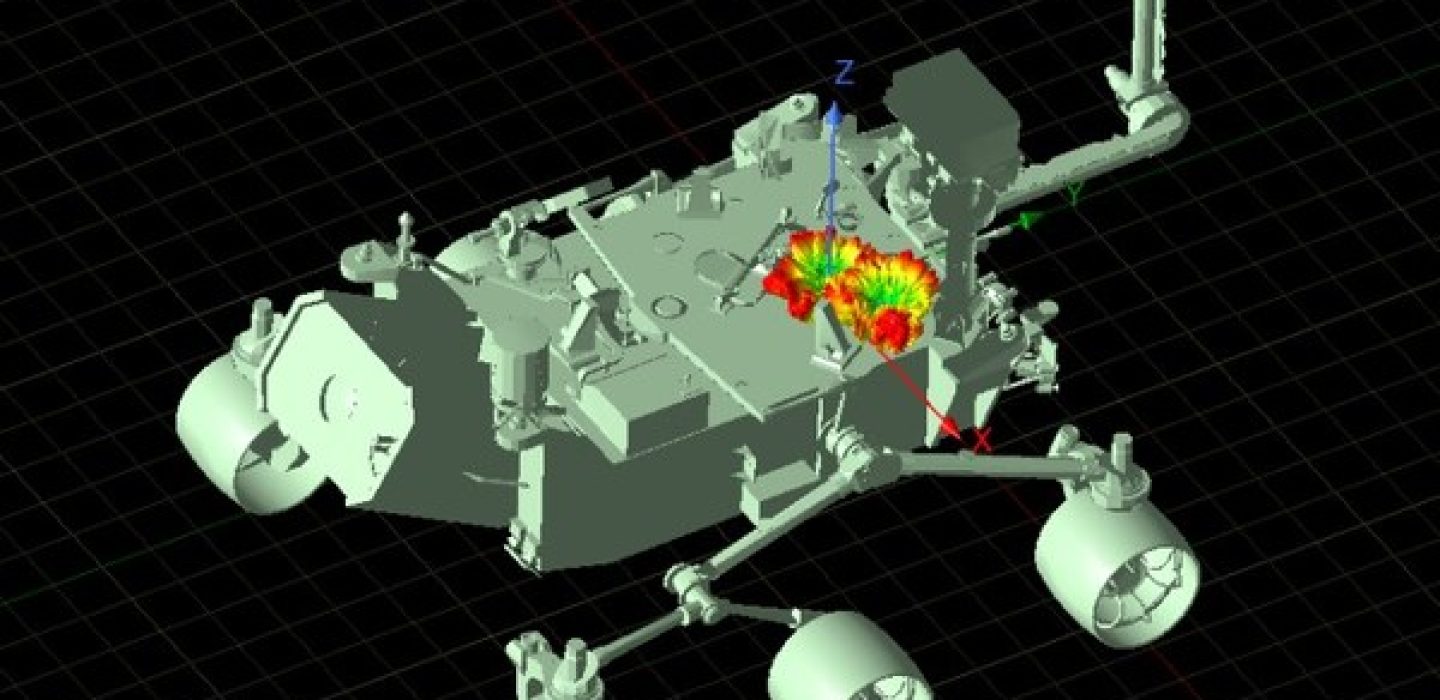
Synopsys, Cesium, a part of Bentley Systems, and NASA’s Glenn Research Center are addressing another lunar challenge: reliable surface communications across uneven terrain. Using Cesium’s digital twin lunar terrain models with Ansys RF Channel Modeler and Ansys HFSS, the teams are studying radio signal coverage and antenna performance for spacesuits and rovers, with the aim of helping shape future cellular communication networks on the Moon.
Click to read the original article..
Product News

- Mesh & Geometry Refinement
- Modular & Data Management Improvements
- Multi-Product Compatibility

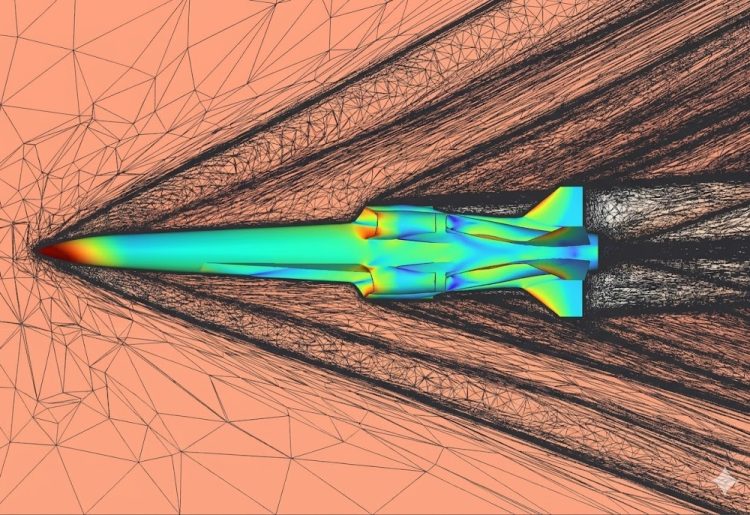
- Real-Time Supersonic Aerodynamics Prediction
- Consumer GPU Support
- Automated AeroDB Generation

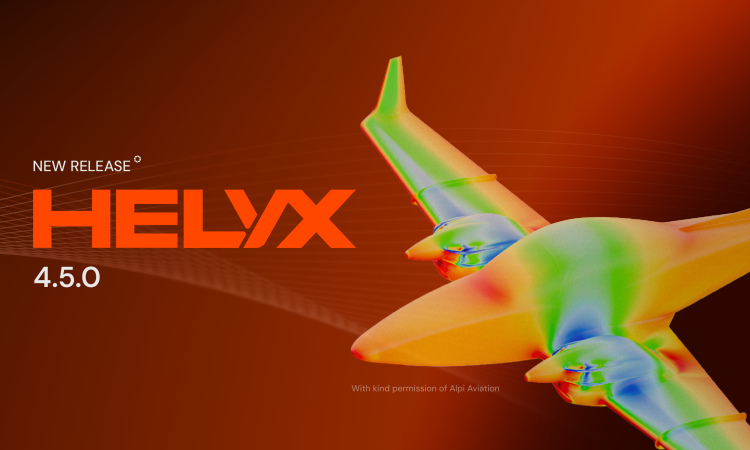
- Modular Multi-Physics Interface
- Boundary Layer and Feature-Based Meshing
- Advanced Post-Processing Tools


- Unified Design Environment
- Fabrication-Aware Design Tools
- GPU-Accelerated Simulations

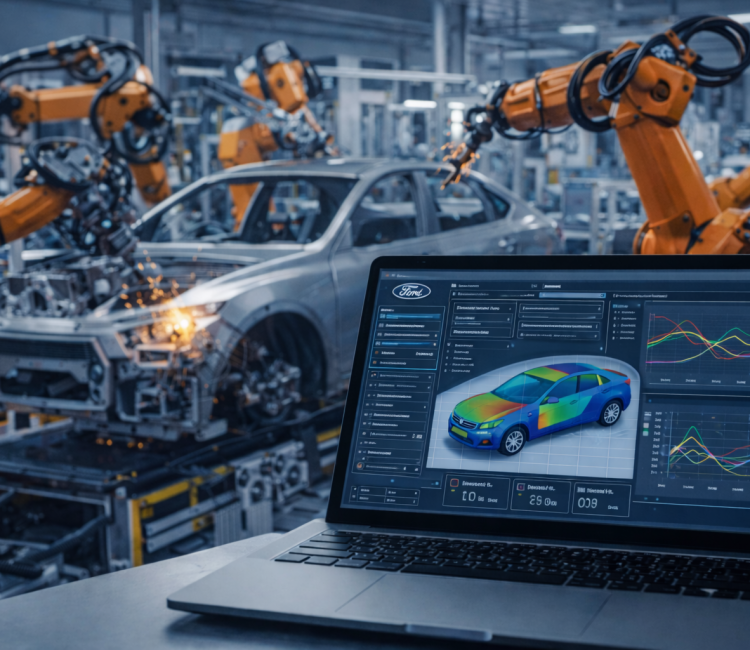
Ford Motor Company is addressing NVH challenges linked to electric vehicles and lightweight vehicle designs, where reduced powertrain noise can make other sounds more noticeable. Using SIMULIA on the 3DEXPERIENCE platform, Ford aims to build a centralized material database, develop FEA models, and calibrate rubber component behavior using test data to support durability and passenger comfort.
Click to read more..

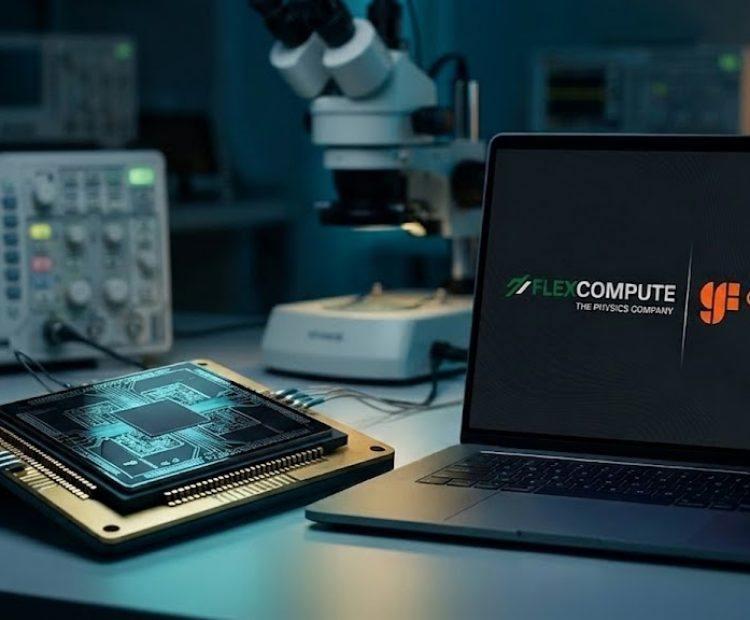
Flexcompute and GlobalFoundries (GF) announced an integration of GF’s silicon photonics technology stack into PhotonForge, powered by the Tidy3D simulation engine. The collaboration aims to give designers direct access to verified process parameters, reduce manual setup steps, and better align photonic simulation workflows with manufacturing requirements for production-ready photonic device development.
Click to read more..

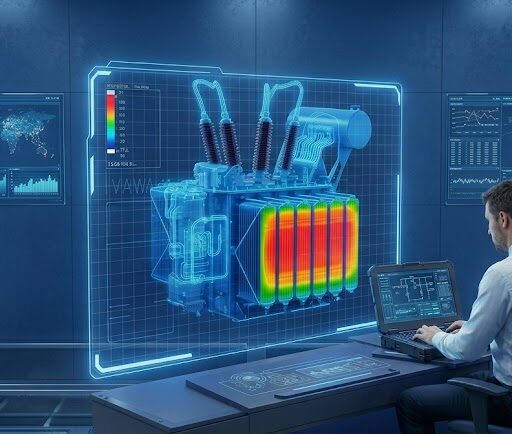
Hitachi Energy is using Ansys simulation tools and PyAnsys to support transformer design, testing and lifecycle reliability. The company applies electromagnetic analysis with Ansys Maxwell, structural analysis with Mechanical, and thermal studies to assess losses, heat distribution and mechanical stresses, while automating workflows with PyAEDT to help validate compliance with industry standards before factory testing.
Click to read more..

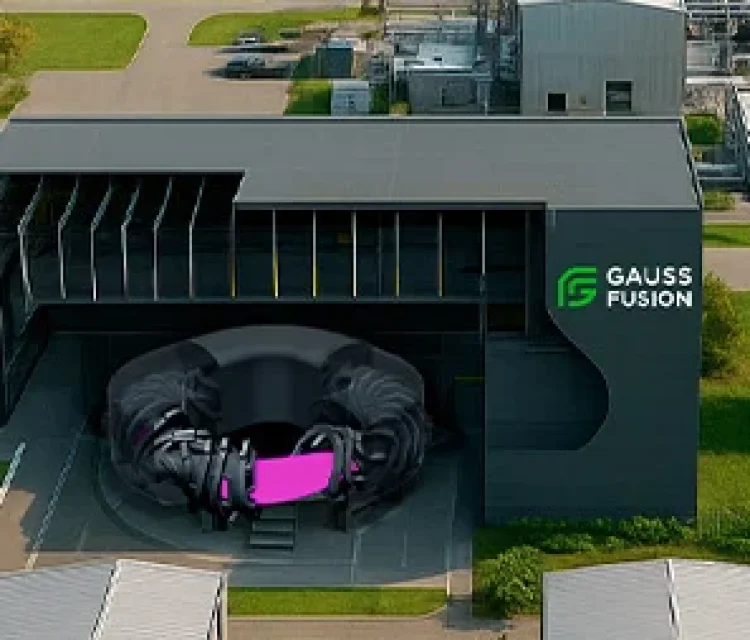
Gauss Fusion is developing a commercial stellarator-based fusion power plant in Europe and relies on intensive simulation to advance reactor design. To meet high-performance computing demands while aligning with low-carbon infrastructure goals, it uses Qarnot’s HPC cloud to run STELLOPT and Simsopt for optimisation, FIELDLINES and BEAMS3D for plasma analysis, and ANSYS Fluent and Mechanical for thermal and structural studies.
Click to read more..
Industry Events
This global summit explores the integration of AI-driven modeling and simulation within product design. It aims to demonstrate how a unified MODSIM approach on the 3DEXPERIENCE platform addresses engineering complexities across aerospace, automotive, and construction sectors. Discussions focus on breaking down organizational silos and utilizing data-driven insights to inform strategic decision-making and resource optimization.
🗓️ April 21, 2026
🕐 13:00 – 14:30 SMT
This webinar explores how a HiL-centered workflow aims to unify fragmented automotive validation. Key discussion points include:
- Positioning HiL as the central execution environment for SiL, simulation, and vehicle testing.
- Integration with CI/CD pipelines and automated infrastructures.
- Managing software complexity in SDVs.
- Practical deployment lessons for multi-domain, scalable architectures.
🗓️ April 23, 2026
🕜 13:30 – 14:30 IST
This webinar explores full-wave modeling for optical interactions with wavelength-sized structures using COMSOL Multiphysics and the Wave Optics Module. It aims to demonstrate:
- Simulating single metallic or dielectric nanoparticles and periodic nanostructures.
- Applications including diffraction gratings, photonic crystals, dielectric mirrors, and plasmonic devices.
- Setting up geometries, frequency-dependent material properties, and incident light parameters.
🗓️ April 23, 2026
🕚 11:00 – 12:00 EDT
This webinar outlines methods for configuring power system simulation models for real-time deployment using Simulink Real-Time and Simscape. It aims to demonstrate a 57-bus transmission system distributed across two processor cores with Bergeron transmission lines, while also covering integration of the real-time model with external control hardware and testing workflows.
🗓️ April 28, 2026
🕡 18:30 – 19:30 IST
In FOCUS
Company in Focus

Who they are
Founded in 1998 in Karlsruhe, Germany, PDTec AG has established itself as a specialist in engineering data management and Simulation Process & Data Management (SPDM). For more than twenty-five years, the company has helped manufacturers navigate the growing complexity of digital product development, especially where CAD, CAE, and enterprise systems must function as one connected environment. Rather than positioning itself as a full-suite PLM vendor, PDTec focuses deeply on simulation-centric engineering workflows, solving specific challenges around traceability and data continuity.
Solutions & Technology
At the heart of PDTec’s portfolio is the PDTec Engineering Platform, a modular architecture designed for scalability and long-term adaptability. Key offerings include:
SimData Manager: A centralized SPDM environment linking simulation results back to source geometry and process history.
Deep CAE Integrations: Connectivity with widely used tools like HyperMesh, ANSA, and Medina to maintain seamless data flow.
CAD-CAE Mapping Manager: Converts complex product structures into simulation-ready models with reduced manual effort.
Secure Collaboration Tools: Supports controlled and traceable data exchange across global supplier networks.
Applications:
Automotive: Managing crash, NVH, and CFD workflows across multiple high-volume vehicle programs.
Aerospace: Supporting strict documentation, certification, and long-term traceability requirements for mission-critical parts.
Industrial Equipment: Improving coordination across globally distributed design teams.
Supplier Collaboration: Enabling secure sharing of sensitive engineering data with external partners.
Did you know?
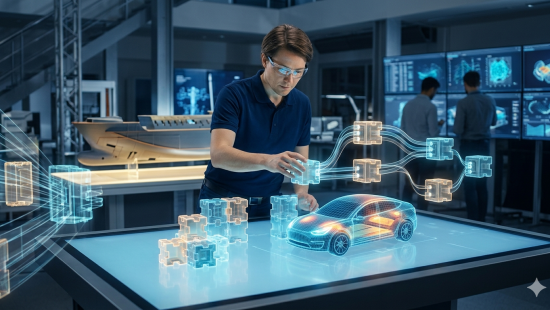
PDTec’s core framework, ice.NET, was built on the concept of “Software Composability” long before it was cool. It treats engineering workflows like LEGO sets; instead of buying a rigid, unchangeable software “monolith,” companies can snap together modular components to build a custom simulation backbone that actually fits their unique physics requirements.”
Solution Focus
PDTec helps organizations build a reliable digital thread for simulation-led development, reducing data silos and freeing engineers to spend less time managing files and more time creating better products.
Technology Focus
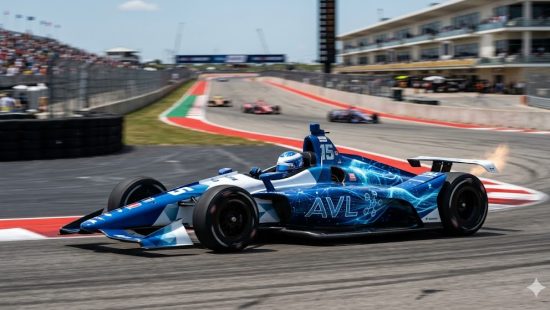
In modern race engineering, competitive advantage is increasingly created before the transporter reaches the circuit. The latest partnership between AVL RACETECH and Rahal Letterman Lanigan Racing (RLL) reflects how simulation-led development is becoming central to success in IndyCar—a championship where engineering execution is nearly as critical as driver performance.
IndyCar is one of the most technically demanding racing series because teams compete across three fundamentally different formats: high-speed ovals, temporary street circuits, and permanent road courses. Each venue requires a different balance of aerodynamic efficiency, mechanical grip, tire preservation, braking stability, and drivability. At the same time, teams operate under tightly regulated chassis rules, controlled budgets, and limited testing opportunities.
That creates a difficult engineering challenge: how do you unlock performance with minimal physical testing?
This is where AVL’s expertise in dynamic vehicle simulation becomes highly relevant. Advanced simulation environments allow teams to build high-fidelity virtual vehicle models and evaluate multiple what-if scenarios before track running begins. Engineers can analyze:
- Suspension kinematics and damper response
- Tire load sensitivity, wear, and thermal windows
- Ride-height and aerodynamic balance changes
- Corner entry and exit stability
- Brake bias behavior and braking stability
- Setup sensitivity for different circuit types
For a team such as RLL, this means faster setup convergence during short practice sessions and greater confidence in race-weekend decisions.
The broader takeaway is clear: motorsport is rapidly evolving into a simulation-centric engineering environment. In modern motorsport, the advantage is no longer measured only in horsepower or driver skill—it is measured in how quickly teams can turn data into performance.
Click to read the original article..