

Your bi-weekly sync on the pulse of the simulation industry
Industry News
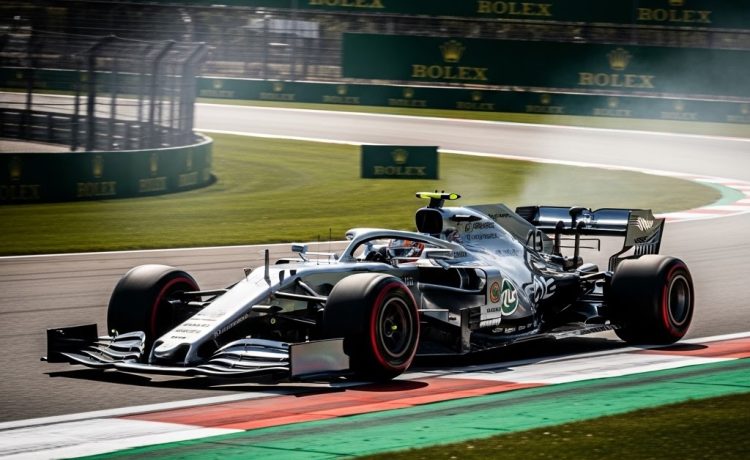
Formula 1 cars operate under extreme conditions where managing heat is as critical as generating power. With the 2026 regulations set to significantly increase the role of electrical power in F1 power units, thermal management is becoming even more complex. Engineers must manage heat generated by multiple systems, including the internal combustion engine, energy recovery systems, batteries, and intercoolers. Integrating these cooling components is challenging because modern F1 cars feature tightly optimized aerodynamic designs that leave limited space for radiators and other heat exchangers.
Another difficulty is that airflow across cooling components is rarely uniform. Disturbances created by wheels, suspension elements, and aerodynamic structures affect how air reaches the radiators. Track conditions further complicate cooling performance, as ambient temperature, altitude, and circuit layout can influence how efficiently heat is dissipated during a race.
As highlighted in a blog by Karthik Saravanan at Modelon, engineers increasingly rely on integrated simulation approaches to study these challenges. By combining CFD analysis with system-level 1D modeling, engineers can examine airflow behavior, evaluate radiator performance, and test unconventional heat exchanger geometries. Platforms such as Modelon Impact and the Modelon Heat Exchanger Library allow teams to incorporate detailed mesh-based airflow data and analyze how thermal systems respond to changing aerodynamic and operating conditions across a race.
Product News
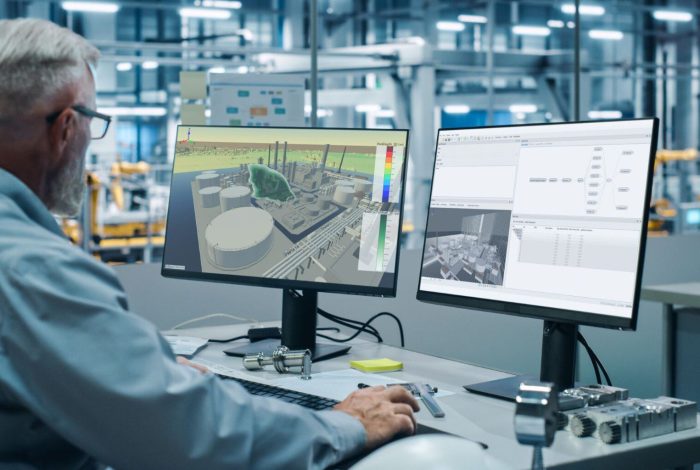
- Multi-scenario risk workflows
Expanded Automation API
Updated Autogrid features
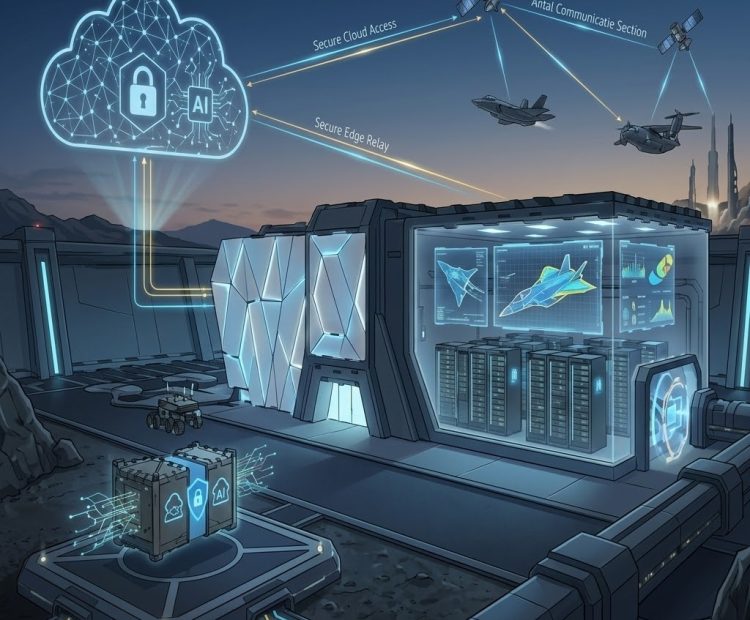
- Air-Gapped Deployment
- Physics AI for Rapid Iteration
- Security Controls
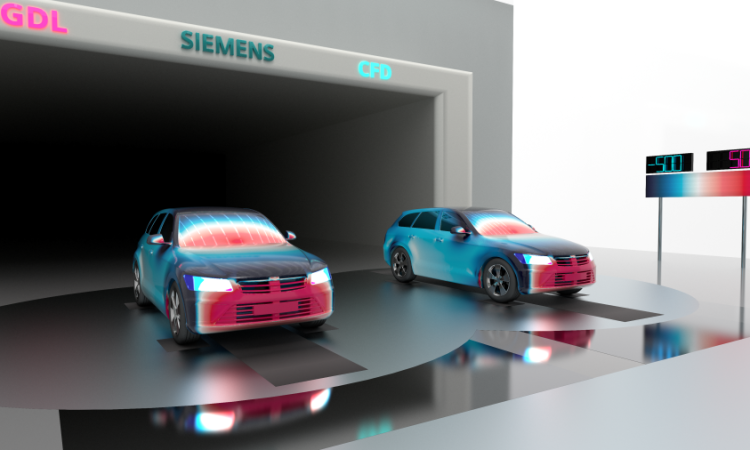
- GPU-native multiphase solvers
- Improved prism layer meshing
- SPH vehicle wading simulation
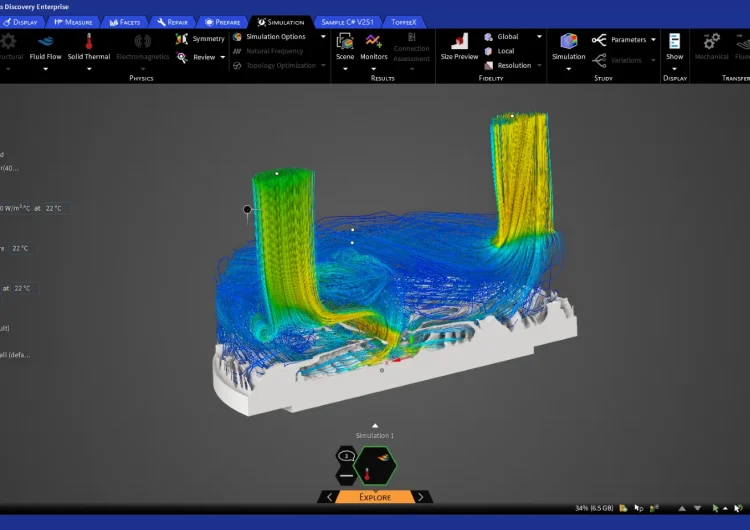
- Direct Geometry Exchange
- Physics-Driven Exploration
- Multi-objective optimization

Cadence announced the completion of its acquisition of Hexagon’s Design and Engineering business, including MSC Software, in a deal valued at approximately €2.7 billion. The acquisition expands Cadence’s system design and analysis portfolio by adding technologies such as MSC Nastran and Adams for structural and multibody dynamics simulation. The integration aims to strengthen Cadence’s multiphysics simulation capabilities for complex systems across industries.
For details read more..
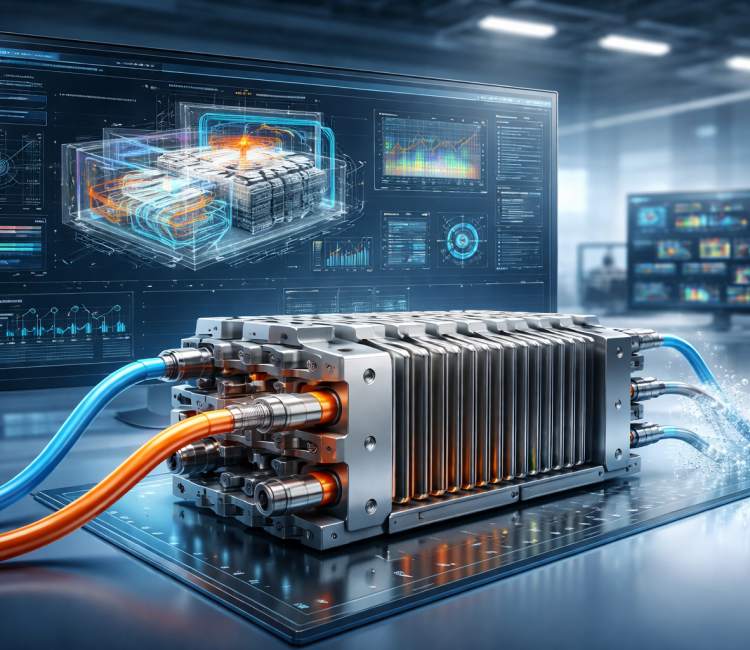
Proton exchange membrane (PEM) fuel cells generate electricity by combining hydrogen and oxygen, producing water and heat as by-products. They are widely used in fuel cell electric vehicles, but their development is complex because electrochemistry, gas flow, humidification, heat transfer, and control systems interact closely. The AVL blog by Urška Henigman explains how model-based simulation using AVL CRUISE M helps analyze the fuel cell stack and balance-of-plant systems, enabling studies of transient operation, degradation, control strategies, and vehicle integration.
Click to read the original article..
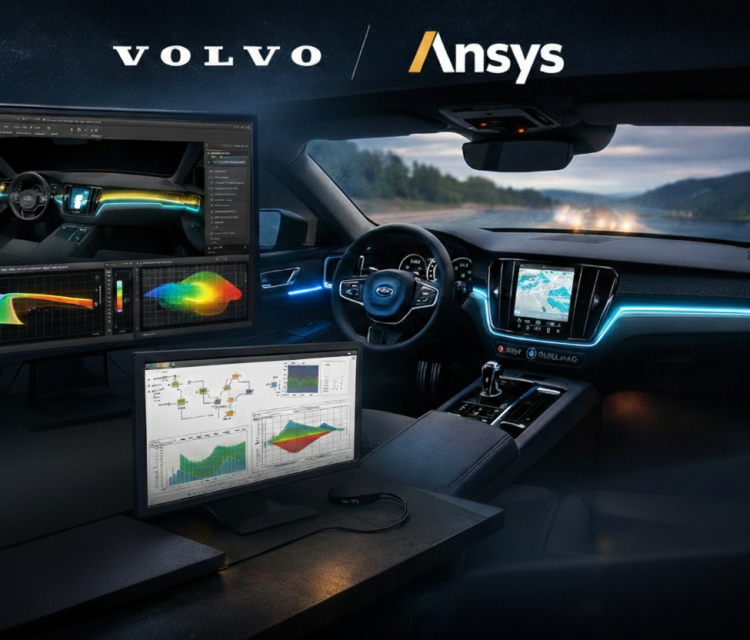
Volvo Cars is using Ansys
optical simulation tools to support the design and performance evaluation of its vehicle interior illumination systems. The company is applying Ansys Speos to simulate light propagation inside the cabin and analyze interactions between LEDs, light guides, surfaces, and interior materials. Ansys optiSLang enables automated evaluation of multiple design parameters, allowing engineers to assess illumination variants and refine light guide geometry in line with Volvo’s Scandinavian interior design standards.
Click to read the original article..

BeyondMath, a deeptech startup developing a generative physics AI model for engineering simulations, announced the completion of its seed funding round totaling $18.5 million. The company is developing foundation models designed to support simulation and design workflows across industries including aerospace, automotive, semiconductors, electronics, and data-center infrastructure, where physics-based modeling is widely used in engineering development.
For details read more..
Industry Events
As commercial satellite networks expand with mega-constellations, miniaturization, and advanced launch capabilities, engineers need system-level analysis to evaluate mission performance. This webinar demonstrates how to model and analyze satellite constellations using mission-level simulation and MBSE approaches, including coverage analysis, communication link modeling, and resilience evaluation in complex mission scenarios.
📅 March 6, 2026 🕒 15:00 – 16:00 IST
This webinar explores the GPU acceleration capabilities available in COMSOL Multiphysics® and how they enhance solver performance and simulation workflows.
Attendees will learn:
- GPU acceleration for direct solvers
- Training deep neural network (DNN) surrogate models with GPUs
- GPU-accelerated time-explicit pressure acoustics simulations
- Time-explicit pressure acoustics simulation
📅 March 10, 2026 🕜 14:00 – 14:30 CET
Engineering teams generate vast volumes of simulation data, often scattered across tools and systems. This demo explores how Rescale Data Intelligence helps unify and analyze engineering data to accelerate R&D insights and decision-making across digital engineering workflows.
Join the session to explore:
- Transforming simulation data into structured, searchable insights
- AI-powered analysis and automated engineering workflows
- Integrating simulation data with PLM, cloud storage, and existing engineering systems to build a unified digital thread
📅 March 11, 2026 🕤 9am PT/12pm ET/6pm CET
Accurate validation is essential for building confidence in CFD simulations used in real-world engineering applications. This webinar discusses how advanced models in CONVERGE are validated through structured workflows and representative case studies.
Join the webinar to explore:
- Validation methodologies for advanced CFD models
- Workflow for comparing simulation results with experimental data
- Example validation studies supporting practical engineering applications
📅 March 11, 2026 🕙 10:30 AM – 11:30 AM CDT
In FOCUS
Company in Focus

Who they are
Founded in 2017 by brothers Vikash Mishra and Vivek Mishra, Raphe mPhibr is a Noida-based aerospace and defense powerhouse. Often described as India’s answer to global defense-tech giants, the company has scaled from a two-person startup to a billion-dollar entity with over 700 employees (including 150+ in R&D).
What sets them apart is their “Indigenous-First” mission. While many drone companies are essentially “integrators” (buying parts and assembling them), Raphe builds nearly every component—from the flight controller and proprietary engines to the carbon fiber airframes—entirely in-house.
Solutions & Technology
The company’s technological edge lies in its Vertical Integration. They operate a massive 6.5 lakh square foot facility where they handle:
- Materials Science: Proprietary ultra-light carbon fiber composites that give their drones industry-leading strength-to-weight ratios.
- Propulsion: They developed a custom 4kW two-stroke engine that is 700g lighter than traditional models, significantly extending flight endurance.
- Software & AI: Proprietary “military-grade” autopilots and swarm intelligence software that allows up to 100 UAVs to communicate and coordinate in real-time.
- Design Philosophy: They use the Dassault Systèmes 3DEXPERIENCE platform to create “Virtual Twins” of their drones, allowing them to compress engine development cycles from years into just three months.
Applications:
Raphe’s drones are built for the harshest environments on Earth, specifically the high-altitude terrains of the Himalayas.
- High-Altitude Logistics: Delivering food, medicine, and ammunition to soldiers at 18,000+ feet (mR20 platform).
- Combat & Swarm Warfare: Coordinated attacks and surveillance using the mR10 swarm platform.
- Maritime Patrol: The X8 platform is used by the Navy for over-water reconnaissance.
- Precision Strikes: Their platforms were reportedly utilized during Operation Sindoor, proving their capability to launch precision-guided missiles.
Did you know?
The name Raphe mPhibr is a sophisticated biological metaphor. ‘Raphe’ is an anatomical term for a seam or ridge that joins two symmetrical halves of a structure. ‘mPhibr’ is a blend of Myelin (the protective sheath that helps nerves transmit signals) and Fiber (representing their carbon fiber expertise). Together, the name symbolizes the seamless integration of a drone’s ‘nervous system’ (electronics/AI) with its ‘physical body’ (advanced materials).
Solution Focus
The company’s primary focus is Strategic Autonomy. By manufacturing 20,000 to 30,000 individual parts per drone domestically, they eliminate the “black box” risks associated with foreign components. This makes their technology “sanction-proof” and tailored specifically to the unique geographical and tactical needs of the Indian Armed Forces.
Technology Focus
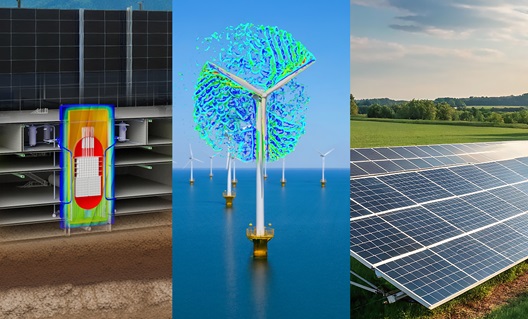
The global demand for electricity continues to grow, increasing pressure on the energy sector to develop cleaner, more reliable, and scalable energy systems. The blog by Katie Corey from Dassault Systèmes discusses how simulation technologies are helping accelerate innovation in sustainable energy development. As countries invest in low-emission energy sources such as renewable power and advanced nuclear systems, engineering teams must address growing system complexity while maintaining safety, efficiency, and cost control.
Emerging energy technologies and design complexity
The transition toward sustainable energy is introducing several advanced technologies that present new engineering challenges:
Fusion energy: Components must withstand intense neutron bombardment and extreme thermal loads. Simulation allows engineers to evaluate materials and cooling strategies under these demanding conditions.
Small Modular Reactors (SMRs): These next-generation nuclear systems aim to deliver safer and more flexible energy generation, but their design requires careful optimization to meet strict regulatory and safety standards.
Offshore wind turbines: Structures must operate reliably in harsh marine environments influenced by dynamic wind patterns, ocean waves, and long-term structural fatigue.
Hybrid energy systems: Integrating renewable power with technologies such as hydrogen production introduces multiphysics challenges involving electrical, thermal, mechanical, and fluid interactions.
Challenges shaping the energy transition
The engineers developing sustainable energy systems must also navigate several industry-wide constraints:
Faster development timelines for new technologies
Evolving environmental and safety regulations
Rising material costs and supply-chain disruptions
Increasing multidisciplinary design complexity
The need to expand energy infrastructure and grid capacity
Simulation plays a critical role in addressing these challenges by enabling engineers to analyze system behavior and test design alternatives in virtual environments before building physical prototypes. Blog also highlights the role of MODSIM (Modeling and Simulation) in modern engineering workflows. By integrating modeling and physics-based simulation within a unified environment, MODSIM enables engineers to evaluate performance earlier in the design process and improve decision-making. This approach supports the development of virtual twins, digital representations that replicate the behavior of real energy systems across their lifecycle and help organizations design more efficient and resilient sustainable energy solutions.