


Your weekly sync on the pulse of the simulation industry
Industry News

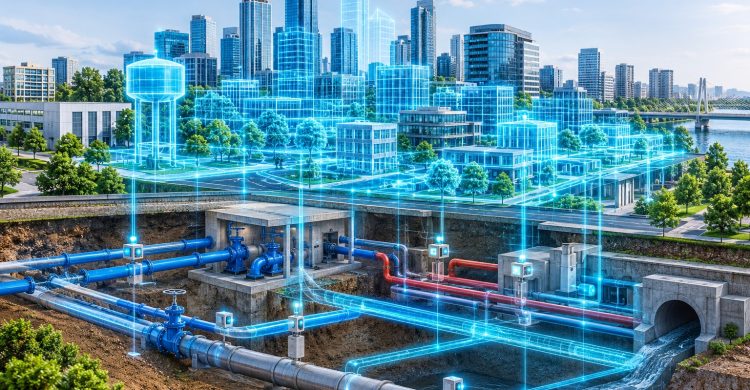
A digital twin in infrastructure is a continuously updated, physics-based model of a real network, such as water distribution, district energy, sewer, or stormwater systems. As explained by Fluidit, it aims to help utility operators and engineers simulate system behavior, test scenarios before implementation, detect anomalies early, and support both daily decisions and long-term planning.
It combines the model, which encodes pipe diameters, pump curves, valve settings, and network connections along with the equations describing flow, pressure, and temperature; the data from sensors, meters, and control systems that keeps it current; and an interface for running scenarios and viewing results. Unlike a conventional simulation model, which is usually built for a defined question and then set aside, a digital twin stays connected to the real system.
Common uses include operational monitoring, scenario simulation, failure forecasting, capital investment planning, and regulatory reporting. Water utilities may use it for pressure zone management and leakage detection, district energy operators to model thermal behavior, and sewer operators to anticipate combined sewer overflow events. It also creates an auditable record of system state and decisions.
Building one requires network asset data, operational data for calibration, and boundary condition data such as demand, rainfall, and source temperatures. Utilities typically progress from a calibrated model, to a regularly updated one, and then to real-time connection when decisions need a current picture of the system.
Product News


- GPU-accelerated free-mesh animation
- Integrated adaptive sampling, automation

Standardized BIM material library
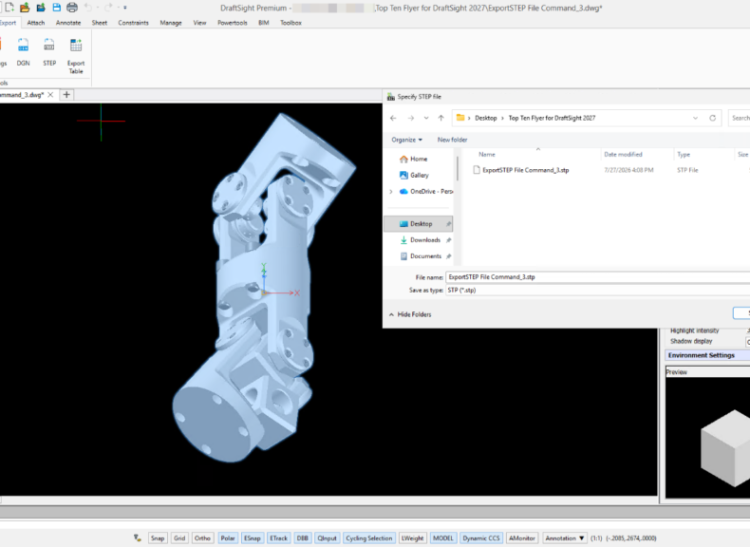
Direct 3D STEP export for CAM/CAE

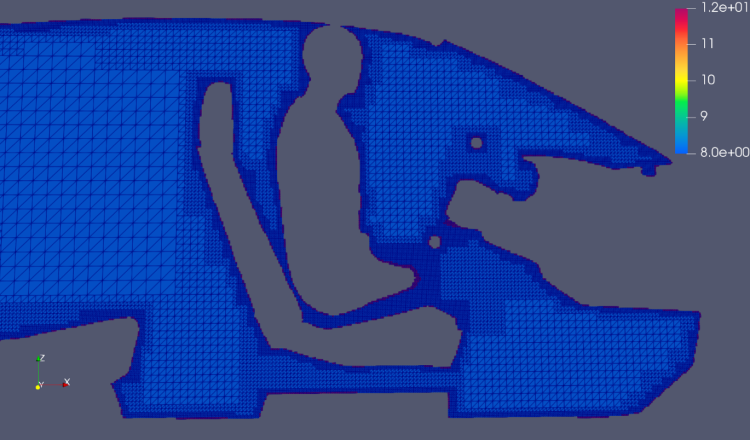
RapidFlow moisture transport modeling
Multi-level meshing, CoSolver coupling

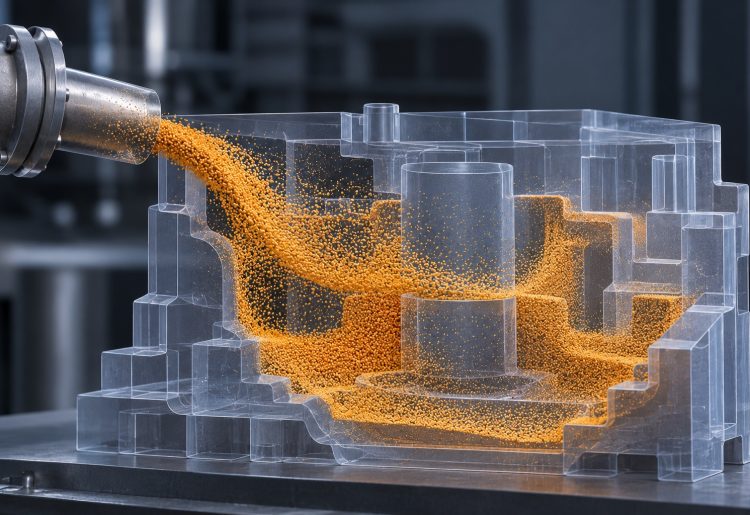
Faster high-quality sand-grain rendering
Enhanced graphics and post-processing

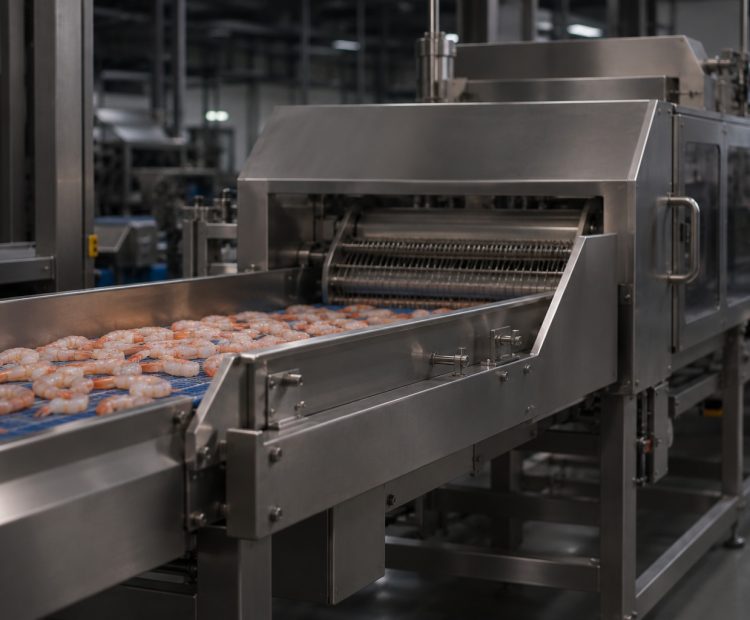
Laitram Machinery, a shrimp processing equipment maker, uses SOLIDWORKS software for mechanical and electrical design. The company aims to manage growing machine complexity, detect design interferences before manufacturing, simplify design changes, and continue its legacy of food-processing innovation.
Click to read more..

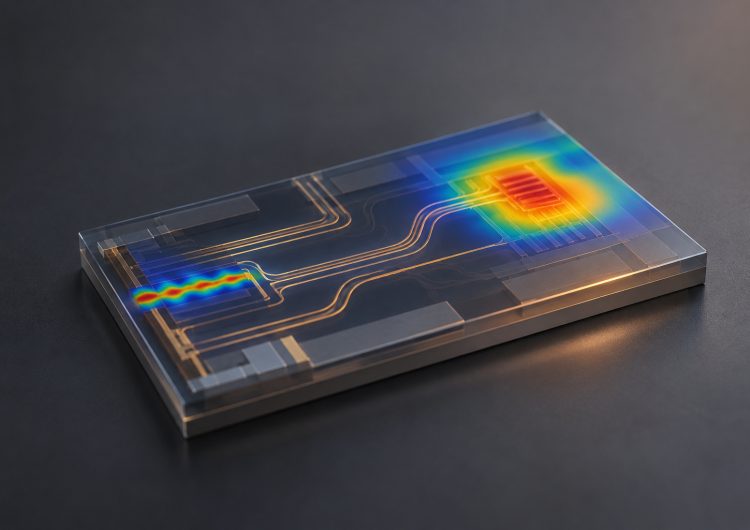
University of Málaga spin-off AGPhotonics develops photonic chips, where design errors can cost an entire fabrication run. Using Ansys simulation via the ESSS Startup Program, it aims to detect flaws early, avoid rework and delays, and scale from lab to market.
Click to read more..
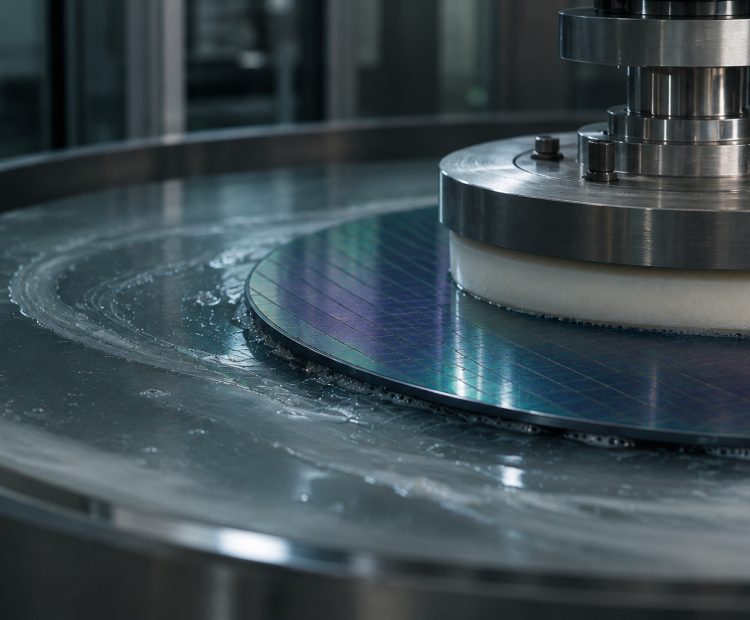
COMSOL has integrated NVIDIA’s CUDA Direct Sparse Solver (cuDSS) into COMSOL Multiphysics, enabling GPU use for multiphysics analysis. Benchmarks covered semiconductor processes such as polishing, electrodeposition, photoresist coating and packaging. The approach aims to reduce computation time for detailed simulations.
Click to read more..

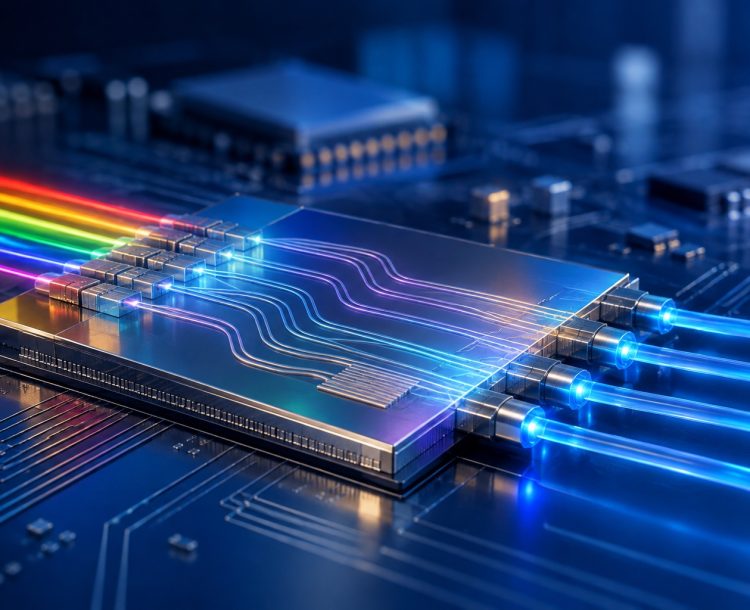
SCINTIL Photonics uses its SHIP platform to integrate laser functionality directly onto silicon photonics wafers, supporting dense multi-wavelength connectivity for AI data centers. The company uses Flexcompute’s Tidy3D simulation software to optimize large passive photonic devices and refine component designs.
Click to read more..
Industry Events
As electronic systems grow more complex and development cycles tighten, design and analysis teams must collaborate across traditionally separate domains. This in-person seminar explores how AI-powered design and routing, in-design signal and power integrity analysis, advanced 3D EM analysis, and electro-thermal and cooling technologies are transforming PCB and system design through technical sessions and demonstrations.
🗓️ Dec 1, 2026
🕤 09:30 – 16:30 IST
📍 Novotel Hyderabad Convention Centre (HICC)
This two-day online conference explores how Model-Based Design, generative AI, and simulation are accelerating software-defined vehicle development, with keynotes from MathWorks, BMW, and Mahindra & Mahindra, and customer talks from Lamborghini and Volvo Cars.
🗓️ Dec 1-2, 2026
🕑 14:00 – 17:30 IST
Fine watchmaking demands exceptional mechanical precision and reliability, requiring engineers to understand complex physical interactions at miniature scales. This webinar explores how COMSOL Multiphysics® is used in horology, where structural vibrations, electromagnetic interactions, thermal effects, and acoustics can all come into play, with a focus on minute repeaters and designing high-precision watch components.
🗓️ Dec 2, 2026
🕑 14:00 – 15:00 CET
Autonomous VTOL aircraft must perform across vertical flight, transition, and fixed-wing cruise, making aerodynamic data critical for flight control. This discussion explores how faster Physics AI predictions can support control-law development, simulation, and verification, while keeping high-fidelity physics at the center of the workflow.
🎥 Available On Demand
In FOCUS
Company in Focus

Who they are
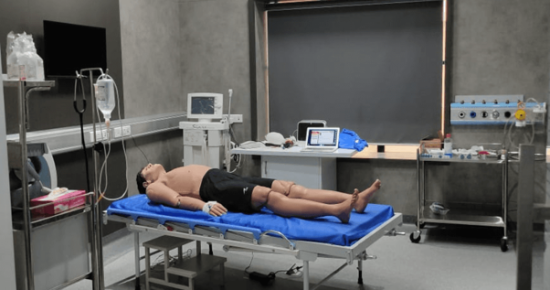
Augment Simulation India is a medical simulation and training solutions provider and master distributor of CAE Healthcare (now Elevate Healthcare) products in Western and Southern India. It also undertakes turnkey medical simulation projects, helping healthcare institutions plan simulation centers, train faculty and integrate simulation into their curriculum.
Solutions & Technology
- Patient Simulation: Ares, Athena, CAE Apollo, Caesar, Lucina, HPS, iStan, Juno.
- Pediatric Simulation: BabySIM, Luna, PEDIASIM.
- Surgical Simulation: Surgical Cut Suits, EndoVR, LapVR, CathLabVR, NEUROVR.
- Ultrasound Simulation: Vimedix (diagnostic procedures); Blue Phantom (interventional procedures) training models for more than 20 medical specialties; ICCU e-learning seminars.
- Virtual Reality: Vantari VR (critical care procedures), Precision OS (surgical procedures).
- Augmented Reality: Microsoft HoloLens-based solutions.
- SimEquip: Anesthesia, Defibrillator, Ventilator, Transport Ventilator.
- Other: CAE MultiPad, Human Anatomy, Dentition Model, Basic Skill Models.
- Learning Space: Experience, Essentials, Enterprise, Enterprise Lite for recording, debriefing and center management.
Applications:
- Hospitals and educational institutions building simulation centers
- Faculty development and curriculum integration
- Clinical training across patient care, surgical and interventional procedures, ultrasound, critical care and anesthesia
Solutions Focus:
Augment Simulation India positions itself as a one-stop solution for institutes building a simulation center or a team of simulation-trained healthcare faculty, pairing CAE Healthcare products with turnkey planning, design and training.
Technology Focus

Designing a combine harvester involves several engineering challenges, from maintaining a comfortable cabin to ensuring efficient crop separation and reliable gearbox operation. Engineers use simulation to understand how components behave under operating conditions and identify potential design issues before the machine reaches the field.
The Siemens article uses a fictional harvester development project to illustrate a common challenge in engineering: simulation results can take weeks or days to arrive, limiting their usefulness during design decisions. In the example, cabin thermal comfort analysis takes several weeks, while particle separation, fuel tank sloshing and gearbox lubrication studies also require days to complete.
The article introduces Simcenter Unlimited, an on-site simulation appliance equipped with eight NVIDIA GPUs. It combines GPU-native solvers in Siemens Simcenter software, including Simcenter STAR-CCM+ and Simcenter EDEM. The turnkey system requires no additional computing infrastructure and keeps simulation data within the organisation.
The approach aims to reduce simulation turnaround from weeks to overnight results, hours or even minutes, depending on the application. Computational Fluid Dynamics (CFD) examines cabin airflow and thermal comfort, the Discrete Element Method (DEM) studies crop movement and separation, while Smoothed Particle Hydrodynamics (SPH) analyses gearbox lubrication. Fuel tank simulations investigate sloshing, structural stress and baffle design.
Automated design exploration and sensitivity studies help evaluate separator geometry, tank baffles, gearbox materials and cabin design. The harvester example describes improvements in grain separation, reduced tank stress and cooler gearbox operation.
Ultimately, the article highlights an important shift: simulation can inform engineering decisions while designs are still evolving, rather than simply documenting them afterwards.