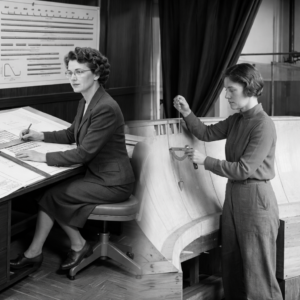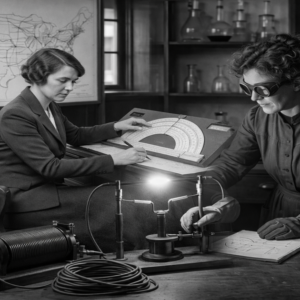

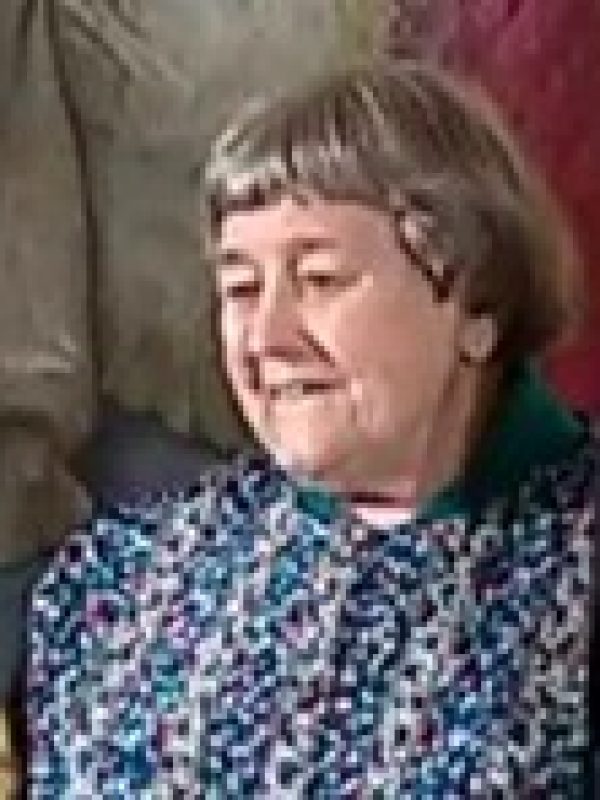
Yvonne Brill (1924–2013)
The Architect of Orbital Persistence
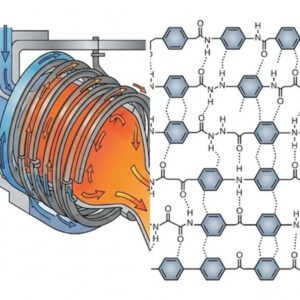
Before Yvonne Brill’s invention of the electrothermal hydrazine thruster, satellites were essentially “expendable” hardware—they lacked the precise, fuel-efficient propulsion needed to stay in their designated geostationary orbits for long periods. Brill fundamentally changed aerospace engineering by integrating the propellant feed system with the thruster itself, creating a design that used a single, stable fuel source to provide continuous, long-term stabilization. Her work wasn’t just about moving a satellite; it was about the complex physics of “station-keeping,” the delicate art of firing tiny bursts of thrust to fight the gravitational pull of the moon and sun.
- Pioneering Propulsion: Invented the electrothermal hydrazine thruster (a resistojet), which solved the problem of satellite “drift” in orbit.
- Station-Keeping Excellence: Developed the mathematical and mechanical systems that allow satellites to maintain their exact “parking spots” in space, which is essential for consistent communication signals.
- Efficiency Milestone: Engineered a propulsion system that utilized a single, stable propellant, drastically increasing the operational lifespan of satellites from months to decades.
Stephanie Kwolek (1923–2014)
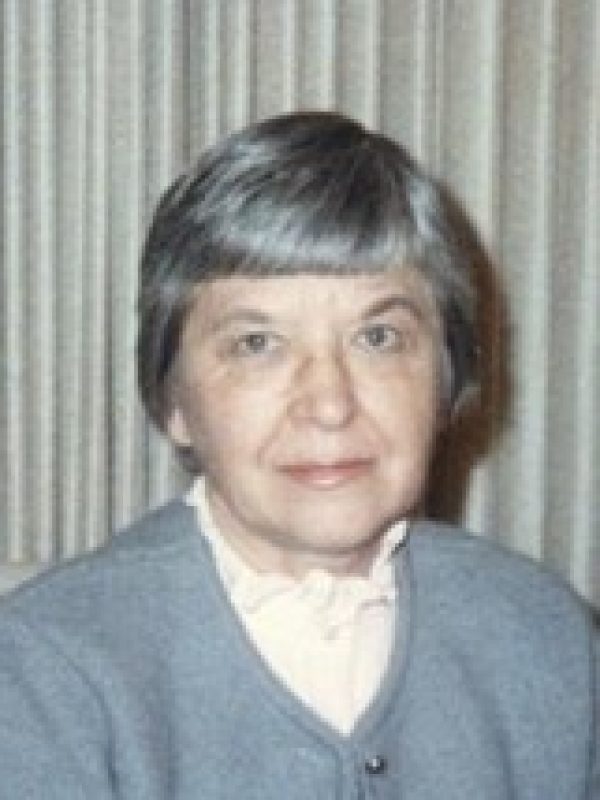
The Pioneer of Molecular Polymer Engineering
Stephanie Kwolek’s breakthrough in the 1950s and 60s was the result of a rigorous, systematic investigation into the molecular alignment of aramids, or “aromatic polyamides.” These polymers are defined by their long-chain, rigid molecular structure, which Kwolek discovered could be manipulated during the polymerization process to create fibers with unprecedented stiffness and tensile strength. By carefully managing the liquid crystal solution of these polyamides, she produced a fiber that exhibited extraordinary intermolecular hydrogen bonding, resulting in a material five times stronger than steel by weight.
- Aramid Polymer Innovation: Systematically researched and refined the chemical synthesis of aromatic polyamides, leading to the creation of fibers that are uniquely stiff and flame-resistant.
- The Discovery of Kevlar: Through meticulous experimentation with cloudy, liquid-crystalline solutions, she synthesized the first iteration of what would become Kevlar—a material with a strength-to-weight ratio unmatched by conventional materials.
- Aerospace & Safety Application: Engineered the material properties that allow Kevlar to be used in high-impact environments, from satellite structural shielding to tethering systems that survive the harsh conditions of space.
“Did you know:
Stephanie Kwolek’s discovery of Kevlar was almost a ‘laboratory accident’—the liquid polymer solution she created was so unusual that her coworkers were initially hesitant to test it! Her persistence in refining that ‘thin, cloudy liquid’ led to a material that is now used in everything from satellite structures and airplane components to thousands of life-saving bulletproof vests worn every day!”