Light Dark

NEWSLETTER

WEEK 47

Industry Events

Lorem ipsum dolor sit amet, consectetur adipiscing elit. Ut elit tellus, luctus nec ullamcorper mattis, pulvinar dapibus leo.

Lorem ipsum dolor sit amet, consectetur adipiscing elit. Ut elit tellus, luctus nec ullamcorper mattis, pulvinar dapibus leo.

Lorem ipsum dolor sit amet, consectetur adipiscing elit. Ut elit tellus, luctus nec ullamcorper mattis, pulvinar dapibus leo.

Lorem ipsum dolor sit amet, consectetur adipiscing elit. Ut elit tellus, luctus nec ullamcorper mattis, pulvinar dapibus leo.

Lorem ipsum dolor sit amet, consectetur adipiscing elit. Ut elit tellus, luctus nec ullamcorper mattis, pulvinar dapibus leo.

Lorem ipsum dolor sit amet, consectetur adipiscing elit. Ut elit tellus, luctus nec ullamcorper mattis, pulvinar dapibus leo.

In FOCUS

Company in Focus

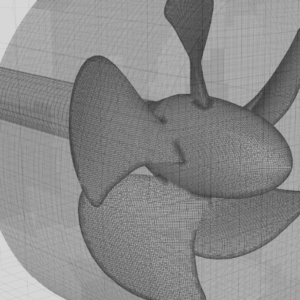
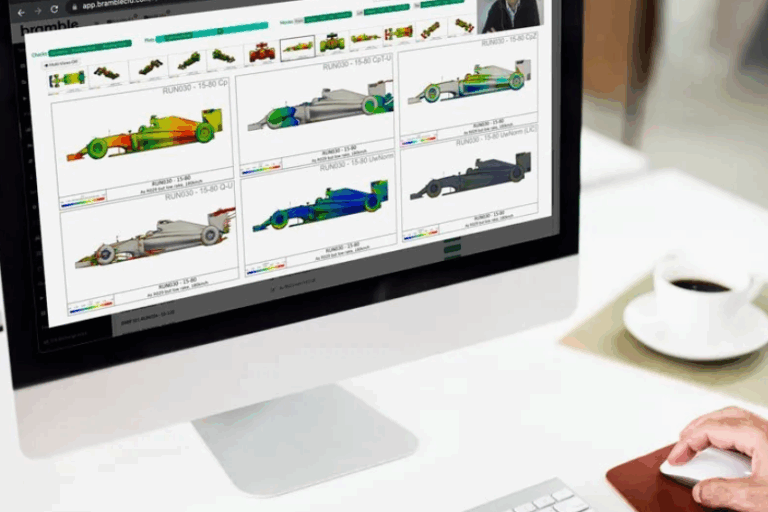
In this edition of The Simulation Pulse, we spotlight Bramble CFD, a UK-based firm dedicated to re-shaping how engineers use Computational Fluid Dynamics (CFD). The company’s roots trace back 25 years to the founding team at TotalSim (originally Advantage CFD), who served major motorsport and performance-engineering clients. What Bramble CFD Does Bramble’s core offering is a cloud-native CFD platform that handles the pre-processing, solver execution and post-processing in one streamlined environment—accessible through a standard web browser. Key value propositions include: No up-front license or subscription fees: the platform uses open-source solver technology and offers pay-as-you-go pricing for compute cycles. Productivity gains: Bramble claims up to a five-fold increase in overall CFD workflow speed thanks to automation and built-in methodology. Data-management and consistency: Simulations, results and methodology are housed in a unified environment to support repeatability and cross-project knowledge sharing. Industry breadth: While rooted in automotive and motorsport, Bramble also supports applications in naval, building HVAC and cycling aerodynamics.

Technology Focus

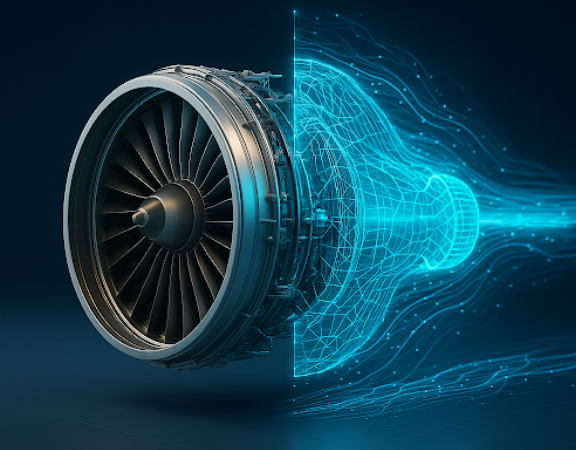
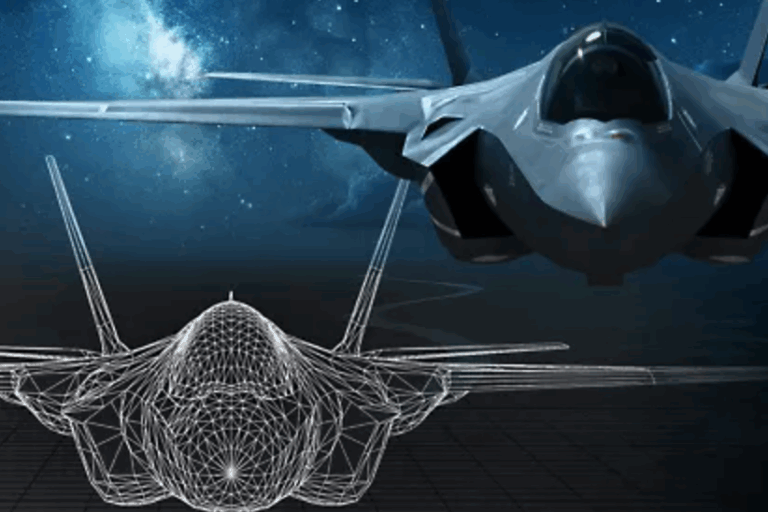
Digital twins are becoming a game-changer in the defense world. Think of them as virtual replicas of aircraft, vehicles, or equipment that let engineers test and refine designs long before anything is physically built. For example, instead of waiting months for a prototype drone, a team can use its digital twin to see how it reacts to extreme weather or radar detection — all on a computer screen. This not only speeds up development but also helps defense teams stay ready for fast-evolving threats. What’s interesting is how these twins continue to work even after the real system is deployed. As sensors feed live data back into the model, engineers can predict failures before they happen or adjust performance on the fly. It’s like giving every critical asset a “virtual co-pilot” that’s always watching, learning and helping teams make smarter decisions — ultimately making missions safer and more reliable.